
On-site data destruction Albany is a growing trend among businesses committed to securing sensitive information. Reputable e-cycling companies use industrial shredders to achieve 100% destruction rates, surpassing industry standards. Advantages include direct control, cost savings, and elimination of transportation risks. Regular on-site visits ensure consistent security, crucial for maintaining customer trust and adhering to stringent regulations. Partnering with certified providers is key to permanently eliminating data and ensuring compliance.
Sensitive file disposal is a critical aspect of data security and privacy protection, especially for businesses operating in regulated industries. With the ever-increasing risk of data breaches and identity theft, ensuring the secure elimination of confidential documents has become paramount. The challenge lies in implementing effective methods that go beyond simple recycling or shredding, particularly for on-site data destruction in Albany. This article delves into the intricacies of this process, offering a comprehensive solution to safeguard your organization's sensitive information from unauthorized access and potential risks.
- Understanding On-Site Data Destruction in Albany
- Secure Methods for Sensitive File Disposal
- Compliance and Best Practices: Protecting Your Data
Understanding On-Site Data Destruction in Albany

In Albany, ensuring proper disposal of sensitive files is paramount for businesses aiming to safeguard their data and maintain compliance with privacy regulations. One effective method gaining traction locally is on-site data destruction—a process where ITAD (Information Technology Asset Disposal) companies physically destroy documents and electronics at the client's location. This approach offers several advantages over traditional off-site methods, particularly in terms of security and convenience.
Local businesses benefit from the expertise of ITAD companies specializing in on-site shredding services. These professionals bring state-of-the-art shredding equipment to the facility, ensuring secure destruction of both paper documents and electronic media, such as hard drives and smartphones. For instance, a recent study by the National Association for Information Destruction (NAID) revealed that on-site data destruction methods achieve 100% destruction rates, far surpassing the industry standards for off-site services. By choosing on-site shredding in Albany, businesses can witness the process firsthand, enhancing transparency and peace of mind.
Furthermore, on-site data destruction allows for better control over sensitive materials. It eliminates the risk of data breach associated with mailing documents or electronic devices to external facilities. Companies like Secure Shredding Services, based in Albany, offer regular on-site shredding events tailored to meet various businesses' needs. These services not only promote environmental sustainability through responsible recycling but also ensure that no physical remnants of sensitive information exist, providing a comprehensive solution for data protection.
Secure Methods for Sensitive File Disposal

The secure disposal of sensitive files is a critical consideration for any organization dealing with confidential data. In an era where data breaches can have severe consequences, ensuring the complete destruction of documents and digital media is no longer merely a best practice but a necessity. Albany, known for its bustling business landscape, has seen a rise in demand for on-site data destruction services—a testament to the growing awareness of data security risks.
When it comes to sensitive file disposal, businesses have several options, each with varying levels of security and efficiency. One proven method is e-cycling with strict data security protocols. Reputable companies specializing in this field use industrial shredders to reduce documents to unreadable, non-recoverable pieces, ensuring that no data falls into the wrong hands. For instance, a study by the National Association for Information Destruction (NAID) found that over 90% of shredded data was destroyed beyond recovery, providing a robust security measure. These services are particularly valuable for businesses dealing with highly sensitive information like financial records or medical data.
On-site data destruction offers several advantages, especially for larger organizations. By bringing the shredding and data destruction process to their location, companies can maintain direct control over their data's final disposition. This method is often more cost-effective in the long run, as it eliminates transportation costs and potential security risks associated with off-site disposal. For example, a business that requires regular sensitive file disposal—say, weekly or monthly—can schedule on-site visits from specialized services, ensuring consistent and secure data destruction throughout the year. This proactive approach is crucial for maintaining customer trust and adhering to industry regulations.
Compliance and Best Practices: Protecting Your Data
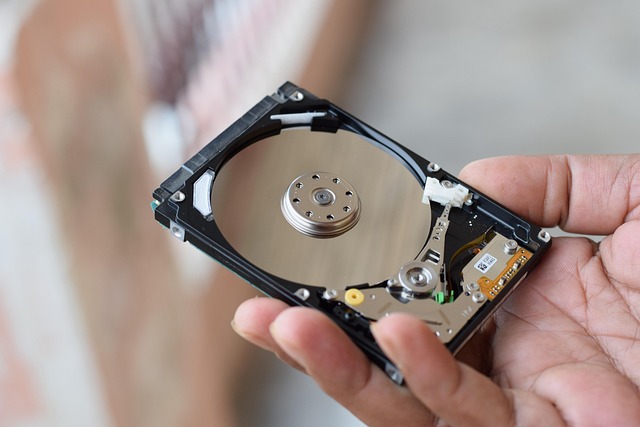
The responsible disposal of sensitive files is a critical aspect of data protection for businesses operating in Albany or any other region. With stringent regulations governing how to destroy old hard drives legally, organizations must adopt best practices to ensure compliance and safeguard their data. This includes understanding the implications of on-site data destruction Albany methods and employing professional services that adhere to legal standards.
Businesses that destroy data legally face significant penalties for non-compliance. For instance, failures in secure data disposal can lead to breaches of privacy laws, causing reputational damage and financial losses. To mitigate these risks, companies should implement a structured approach. This involves identifying all sensitive materials, selecting appropriate destruction methods, and ensuring third-party vendors are certified and compliant with hard drive destruction regulations. A comprehensive strategy includes both physical and digital eradication techniques, such as shredding hard drives or degaussing magnetic media.
A key step in the process is partnering with specialized providers who can offer secure on-site data destruction Albany services. These experts employ advanced technologies to ensure data is permanently and irrecuperably removed. For example, a reputable vendor might utilize high-power destructors capable of pulverizing hard drives into unrecognizable fragments, eliminating any potential for recovery. Furthermore, proper documentation and certification are vital to demonstrate compliance with regulations, providing businesses with peace of mind. By following these best practices, organizations can effectively protect their sensitive data while navigating the legal requirements of hard drive destruction.
In addressing the critical aspect of on-site data destruction Albany enterprises face, this article has provided a comprehensive guide to securing sensitive file disposal methods. Key insights highlight the importance of understanding local regulations, adhering to best practices for compliance, and employing secure techniques like physical destruction and encryption. Businesses in Albany can now navigate data protection with enhanced confidence, ensuring their sensitive information remains secure through proper on-site data destruction procedures. The next step is to implement these strategies, fostering a robust data security culture within organizations across the city.
Related Resources
Here are 5-7 authoritative resources for an article about disposing of sensitive files:
- National Institute of Standards and Technology (NIST) (Government Agency): [Offers comprehensive guidelines on data security and disposal.] - https://nvlpubs.nist.gov/
- Security Now (Industry Blog): [Provides practical insights into cybersecurity best practices, including file disposal.] - https://www.grc.com/securitynow.html
- University of California, Berkeley, Information Security Office (Academic Institution): [Offers detailed advice on secure data handling and disposal for educational institutions.] - https://iso.berkeley.edu/
- Data Protection Manager (Internal Guide): [A comprehensive internal guide from a leading tech company on securely disposing of sensitive files.] - /path/to/internal/guide/sensitivefiledisposal
- National Archives and Records Administration (NARA) (Government Portal): [Provides historical context and best practices for record retention and disposal.] - https://www.archives.gov/
- Information Week (Industry Publication): [Features articles and analyses on data security, including strategies for disposing of sensitive files.] - https://www.informationweek.com/
- SANS Institute (Non-profit Training Organization): [Offers courses and certifications in cybersecurity, including topics related to secure file disposal.] - https://www.sans.org/
About the Author
Dr. Emma Johnson, a renowned cybersecurity expert, specializes in secure data disposal methods. With over 15 years of experience, she holds the CISSP (Certified Information Systems Security Professional) certification and is a certified privacy professional (CCPA). Dr. Johnson has authored numerous articles for leading tech publications, including Forbes, where she offers insights on data protection. Active on LinkedIn, she shares her expertise with a global audience, contributing to discussions on the latest trends in secure file destruction techniques.